LUMEN
The communication nervous system of a hospital. Every nurse and every physician gets one persistent agent, a clone, that owns their hospital communication and talks directly to every other clinician's clone. It runs entirely inside the hospital, on hardware the hospital owns.
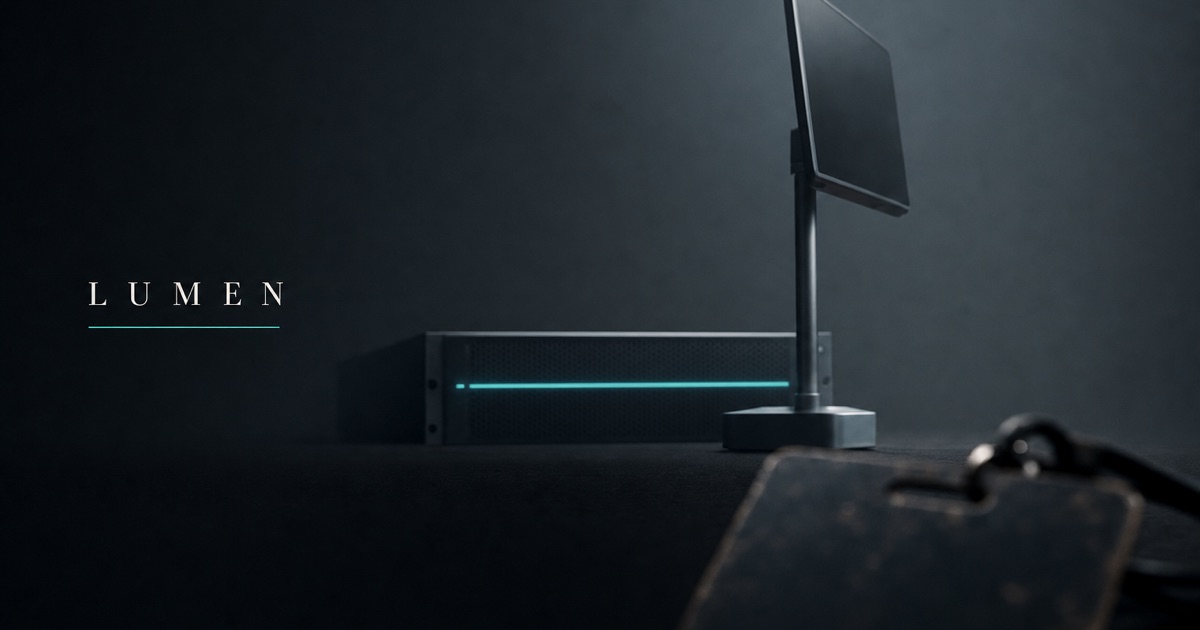
One clinician, one clone.
The clone holds the same scope its human holds and knows the same people its human actually reaches. The person talks; the clone does the rest in the background, including reaching other people's clones directly.
Scope inheritance
The clone holds exactly the scope of support its human holds, never more. When the resident's privileges change on rotation morning, the clone's change with them.
The real contact graph
It knows the people its human actually reaches: this attending, that pharmacist, the specific charge nurse on nights. Not the org chart.
Communication ownership
Asking, answering, scheduling, chasing, briefing, handing off, and reaching other clinicians' clones directly, all in the background.
The model never decides alone. Every clinical decision rises to a human signature.

One signal.
Everything below is one continuous move. The scroll bar is the timeline, so every frame is yours to hold, reverse and stop on.
Clone reaching clone.
Every clinician gets one persistent agent. They talk to each other, so three requests run at once instead of one after another.
The hospital's brain.
One appliance in the hospital's own machine room, on hospital power, behind keys the hospital alone holds.
Present at the bed.
Sealed, fanless, cleanable. It listens, transcribes and redacts at the bed, and the raw audio never leaves the room.
Privacy you can watch happen.
The cover slides and the camera physically cannot see. A mechanism, not a setting.
Built for the Kingdom.
A Canadian parent holding the intellectual property, a Saudi subsidiary building in-Kingdom.
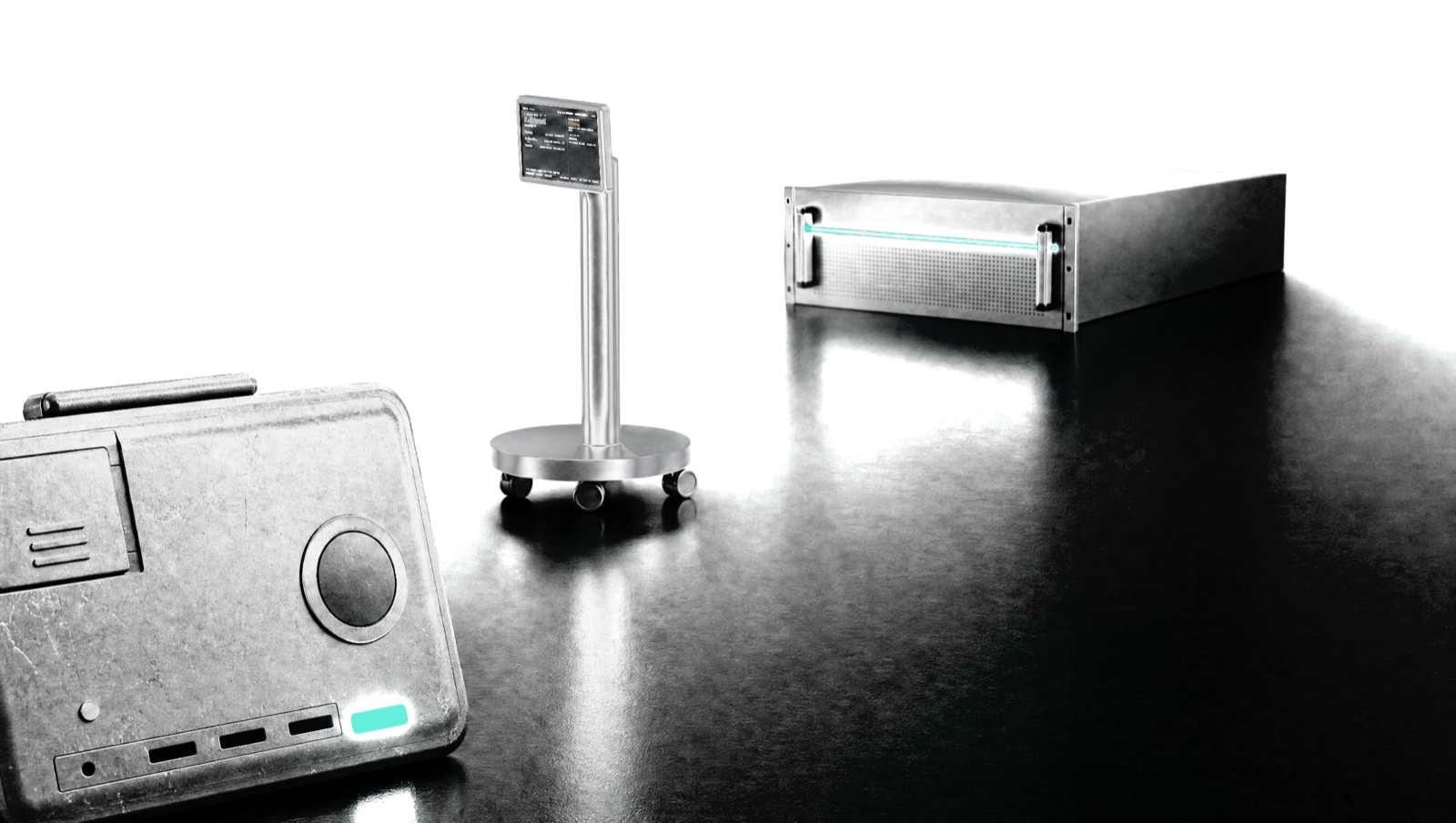
Three elements. One nervous system.
Lumen Core
One appliance in the hospital's own machine room, on hospital power, behind keys the hospital alone holds. The model runs here and never leaves the building.
Lumen Bedside
Sealed, fanless, cleanable. It listens, transcribes and redacts at the bed, and the raw audio never leaves the room.
The PIN
A small worn credential that couples a clinician to their clone. The cover slides and the camera physically cannot see. A mechanism, not a setting.
The Lumen app.
Where a clinician owns their clone: configure it, check it, and see its full history and every interaction. Unlocking is designed to require four independent proofs agreeing inside one short window: the phone, the owner, the worn credential, and a deliberate physical act.
The demo runs on synthetic clinical data, with no inference backend.
Hospitals do not fail for lack of data. They fail in the routing.
of claims in a national US malpractice claims database involved a communication failure, and 40 percent involved a failed handoff.
fewer preventable adverse events after nine pediatric residency programmes adopted a structured handoff protocol, across 10,740 admissions. A 2025 review rates that evidence at moderate certainty.
average drop in septic-shock survival per hour of antimicrobial delay across the first six hours, in a retrospective cohort of 2,731 patients. An observational association, presented as one.