Three elements. One nervous system.
A brain in the machine room. A presence at every bed. A credential the clinician wears. Each element exists so a clinician's clone can think, be present where the work happens, and follow its person, on hardware the hospital owns.
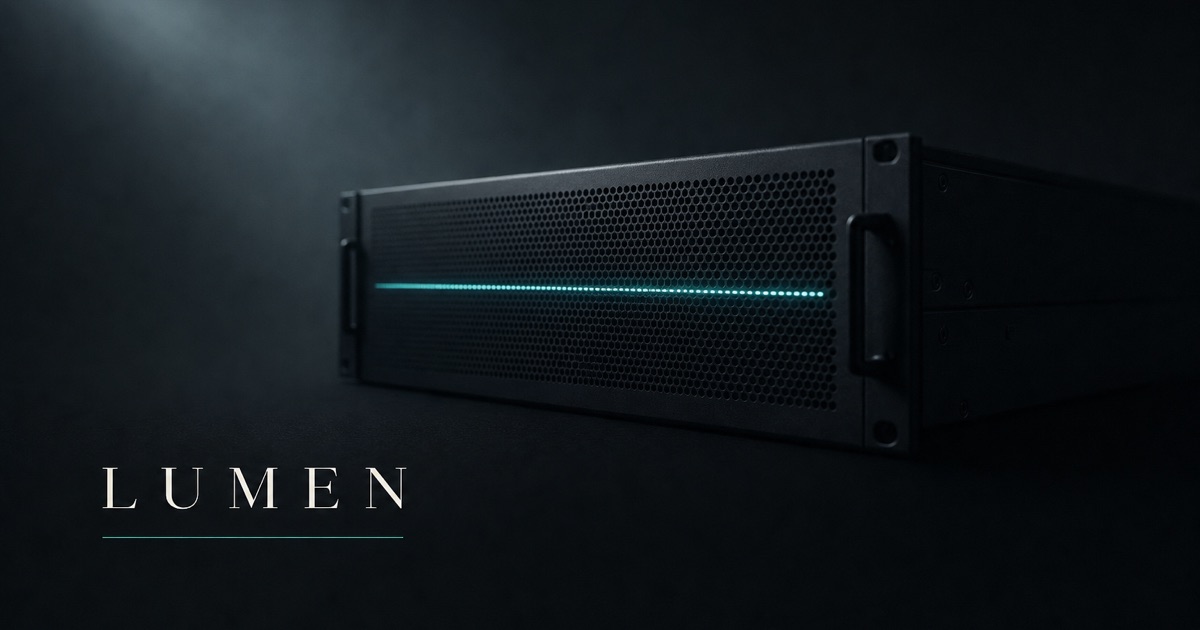
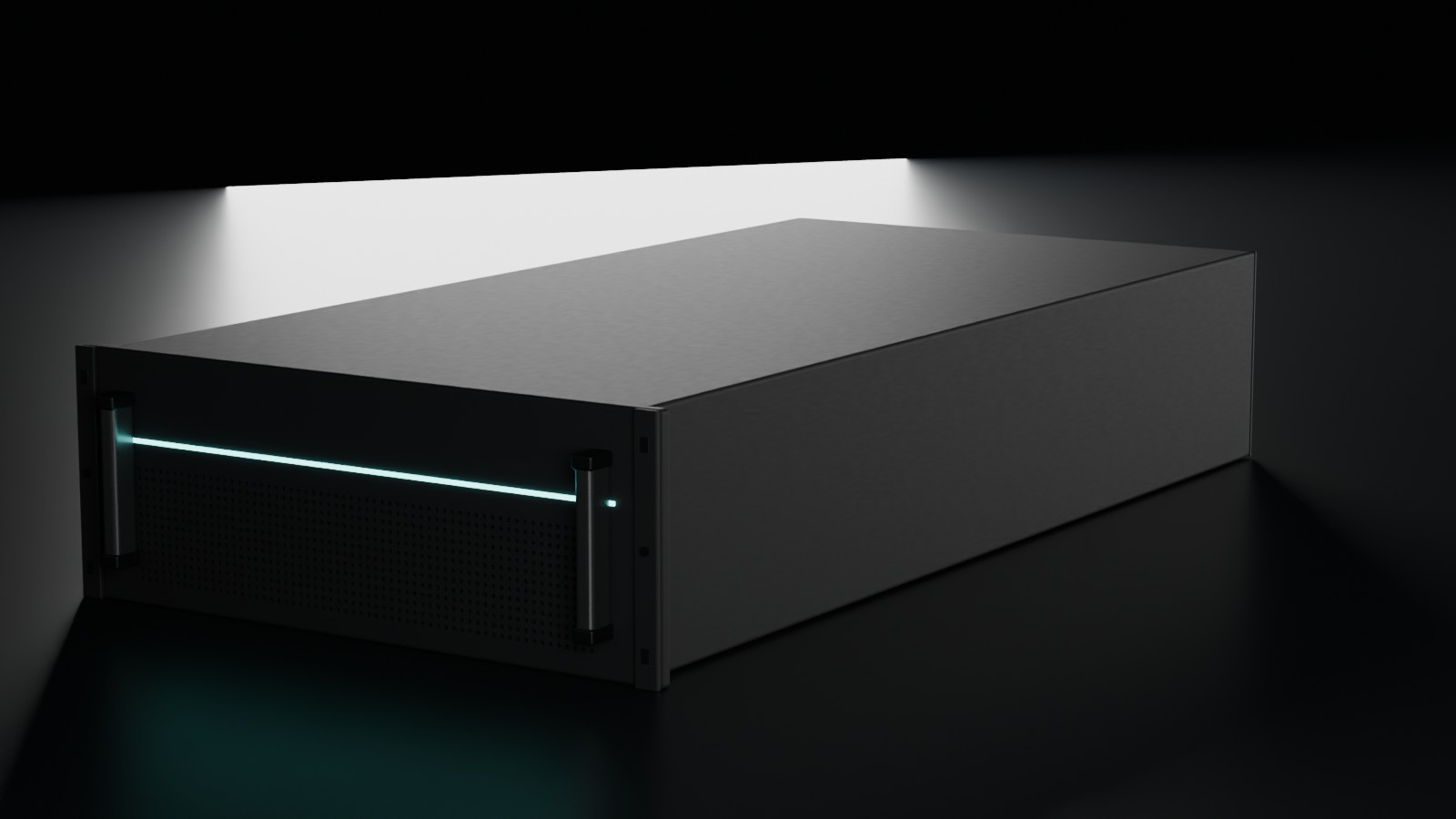
The hospital's brain.
One 8 GPU appliance per hospital, in the machine room, on hospital power, behind keys the hospital alone controls. It holds the model and runs every clinician's clone as a live session.
Sized on published silicon.
H200 is the sizing reference. B300 is the recommended procurement. HGX Rubin NVL8 is named as the successor generation. Every figure derives from published specifications.
One for capacity, two for availability.
One unit is sized to carry a 200-bed hospital, with 3.1x to 6.8x derived throughput headroom. The second is specified for clinical availability. A design rule, stated as a rule.
- Role
- One appliance per hospital. Every clinician's clone as a live session. Roots the audit chain.
- Compute
- 8 GPU
- Sizing reference
- 8x NVIDIA H200
- Recommended procurement
- 8x NVIDIA B300
- Successor generation
- NVIDIA HGX Rubin NVL8
- Coverage
- One unit per 200-bed hospital
- Throughput headroom
- 3.1x to 6.8x, derived
- Fleet rule
- A second unit for clinical availability
- Keys
- Issued by the hospital alone, revocable instantly, fleet-wide
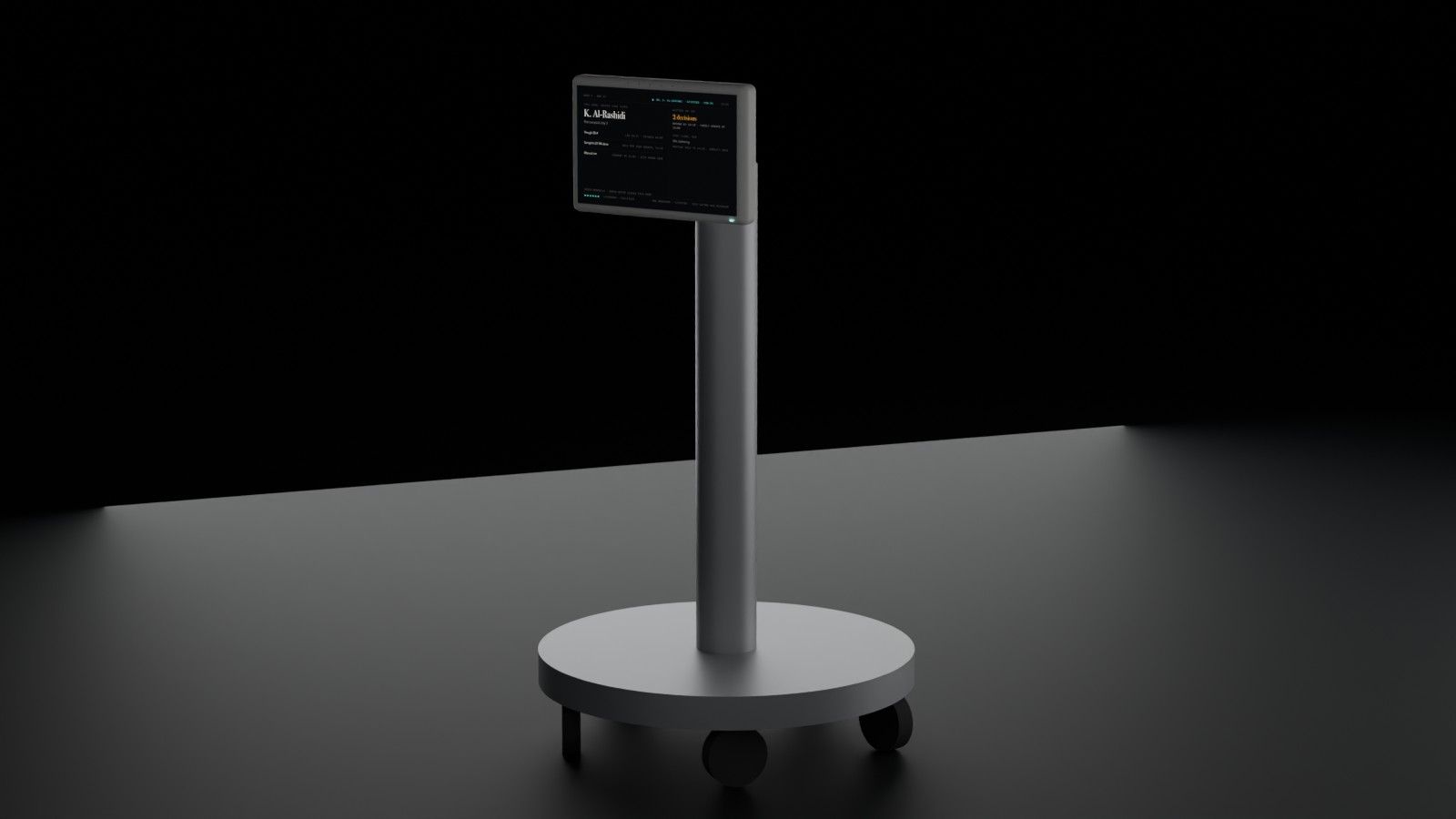
Sealed, fanless, cleanable.
One per bed, wall-mounted or on a rolling stand, inside the patient environment. Designed to support IEC 60601 certification.
Redaction before transmission.
The terminal transcribes and redacts speech on the device, before anything leaves the room. Raw audio is never transmitted, by design.
The interaction budget.
The sub-300 millisecond spoken response is a design target, dominated by audio capture and endpointing. That is why capture lives at the bed, not across a network hop.
- Placement
- One per bed, wall mount or rolling stand
- Envelope
- Sealed, fanless, cleanable
- Compute
- NVIDIA IGX Thor T5000
- Spoken response
- Under 300 ms at the bed
- Speech path
- Transcribed and redacted on the device, before transmission
- Raw audio
- Never transmitted
- Certification path
- Designed to support IEC 60601
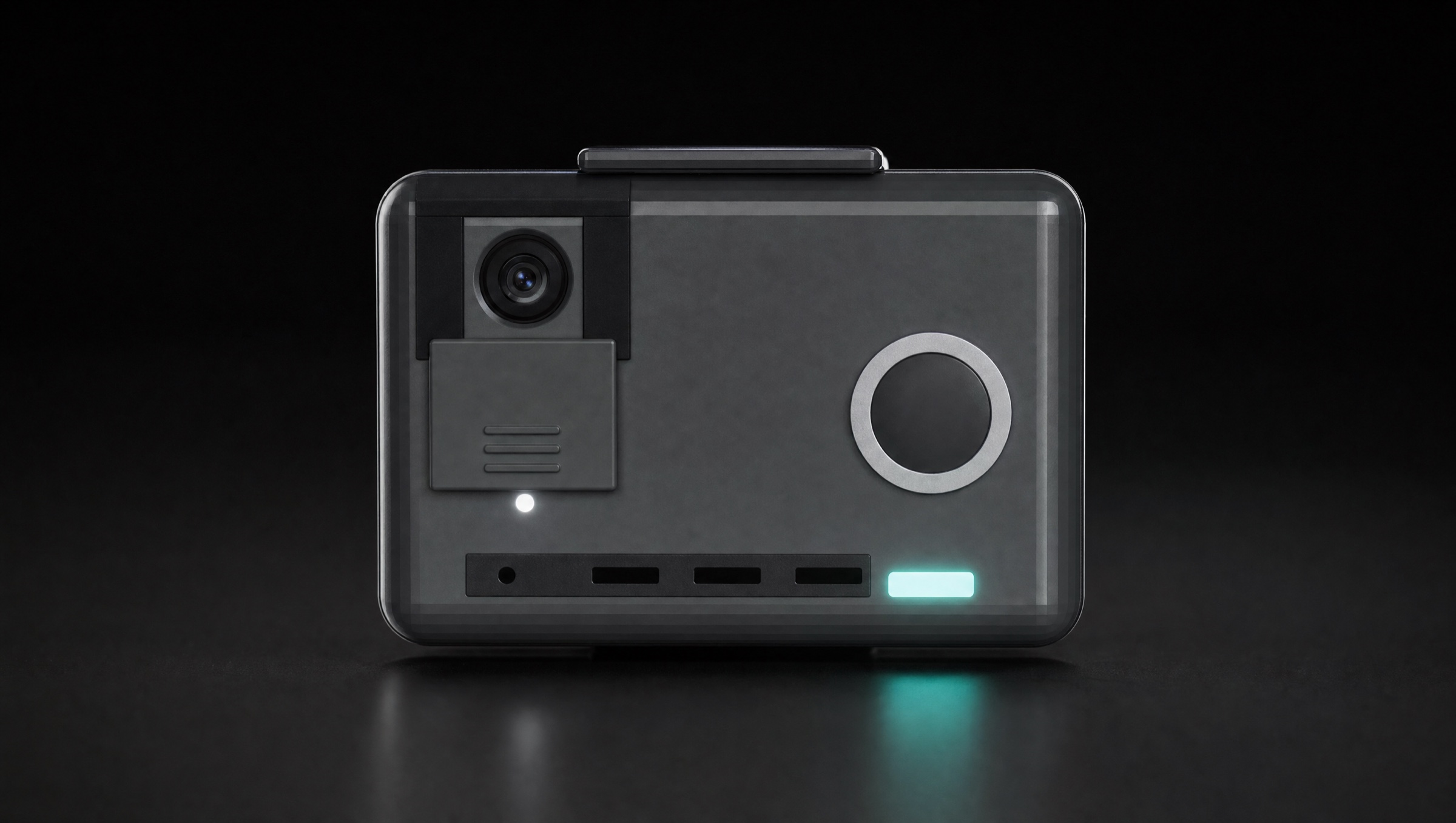
Privacy you can see from across the room.
What it is
A small worn credential that couples a clinician to their clone. It is not the thing the person talks to; the person talks to their agent.
What it carries
Identity, presence, near-field capture, and a private return path, so the clone can answer without the room hearing. One physical control confirms irreversible acts.
Why the cover matters
The camera sits behind a sliding locking cover. When the cover is closed the camera physically cannot see. Privacy is a mechanism here, not a setting.
The PIN.
A worn credential coupling a clinician to their clone. It is not the thing the person talks to; the person talks to their agent.
Identity
A hardware-rooted identity the hospital alone issues, and can revoke.
Presence
The clone follows the person. A terminal in range binds to the wearer's session.
Near-field capture
A worn microphone rides closer to the voice than any wall array can.
The private return path
The clone answers without the room hearing.
One physical confirm
Voice alone is never sufficient for an irreversible act. A deliberate physical act by the wearer is the second factor.
- Parts
- A low-power microcontroller, a radio, a secure element
- Inference
- None. The PIN performs no inference
- Camera
- Behind a sliding locking cover. Cover closed, the camera physically cannot see
- Confirm
- One physical control for irreversible acts
- Identity
- Issued by the hospital, revocable by the hospital
Three measurements underneath the design.
compression on the INT2 lossy tier of a real 31-billion-parameter model: 58.25 GB down to 5.92 GB. Lossy, and we say so.
tensors bit-identical on the lossless pass, verified tensor by tensor. A separate tier at a different ratio, never conflated with the first.
faster warm than cold on an identical 13,000-token prompt: 214.99 seconds down to 1.42 seconds.
Measuring on the target edge silicon is a planned milestone. As it ships today, the engine compresses the storage and distribution of model weights. No GPU count in the Core design depends on it.
The hospital owns the iron.
Core and Bedside are bought through the licensed OEM channel, at no Lumen markup. Lumen licenses the platform. And the rule underneath everything: patient data stays inside the hospital's own network.
The OEM invoices the hospital.
The hospital buys and owns its hardware through the licensed OEM channel. Lumen adds no markup and carries no component inventory.
Lumen licenses the platform.
A platform licence, a one-time implementation fee, and annual maintenance at 15 to 25 percent of licence value. What scales is the licence and the deployment, not the device.
The data never moves.
Patient data stays inside the hospital's own network, behind keys the hospital alone controls. A rule of the design.
The demo runs on synthetic clinical data, with no inference backend.